The signs are distinctive once you know them. Vision becomes blurred and distorted, not just weak. Your power changes every few months instead of every few years. Cylindrical (astigmatic) power keeps climbing. Glasses that were made recently already feel wrong. Lights streak and smear at night. It usually begins in the teens or early twenties, it often runs in families, and constant hard eye-rubbing makes it progress faster.
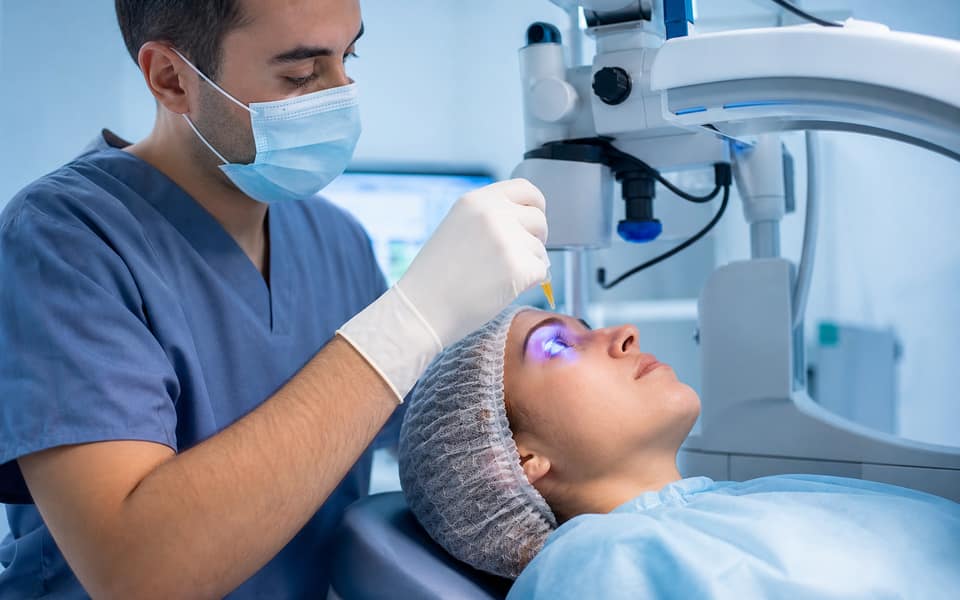
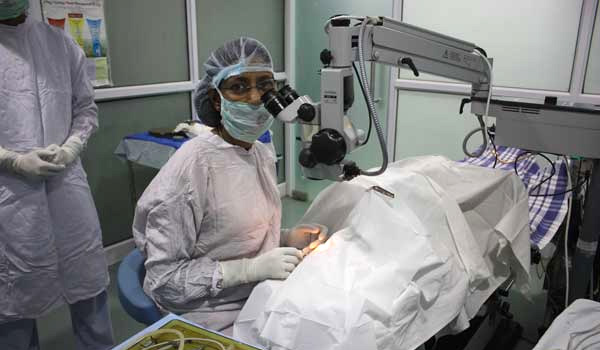
C3R (Corneal Collagen Cross-linking with Riboflavin) does one job, and does it well: it stops keratoconus from getting worse. Vitamin B2 (riboflavin) drops are applied to the cornea and activated with controlled UV light, which strengthens the internal bonds in the corneal tissue and makes it structurally stiffer and stable.
Be clear about what C3R is and isn't. It stabilises the cornea — it is not primarily done to improve vision. That is exactly why timing is everything. The earlier it is done, the more good vision is locked in and preserved. Waiting is the one thing that costs keratoconus patients their sight. Untreated progressive keratoconus is a leading reason young people end up needing a corneal transplant.